


Publishings
The CARE Method is a research-informed, trauma-informed domestic violence intervention curriculum designed to move treatment beyond attendance and toward meaningful, long-lasting behavioral change. Rooted in the Risk-Need-Responsivity model and integrating cognitive behavioral therapy, motivational interviewing, and person-centered counseling, it recognizes that clients do not enter treatment with the same risks, needs, experiences, or barriers to change. The curriculum combines clear expectations for accountability with individualized attention to trauma, mental health, substance use, culture, relationships, parenting, emotional regulation, and other factors that may contribute to harmful behavior. Through structured client workbooks and comprehensive counselor manuals, The CARE Method equips participants to understand their patterns, recognize the impact of their choices, develop safer responses, and build healthier relationships—while supporting clinicians in delivering treatment that remains focused on victim safety, engagement, and measurable growth.
The CARE Method Series
-
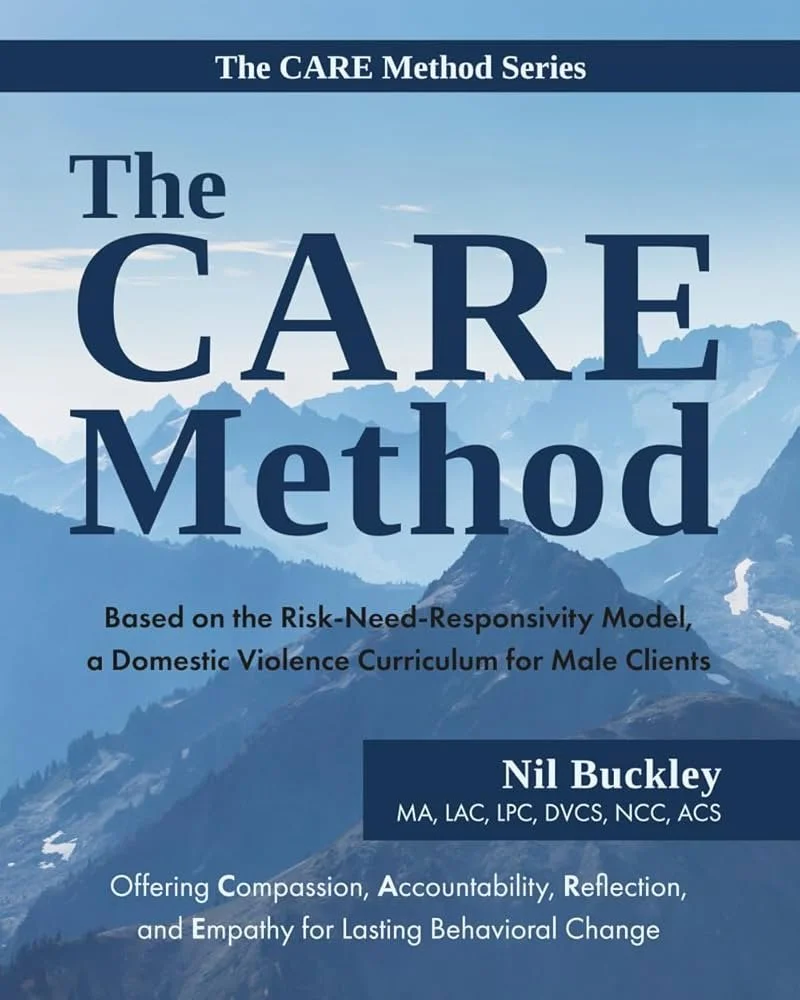
The CARE Method: Client Workbook for Male Clients
The CARE Method Client Workbook for Male Clients is a structured domestic violence intervention curriculum designed to help participants understand and change the beliefs, behaviors, and relationship patterns connected to harm. Rooted in the Risk-Need-Responsivity model and integrating cognitive behavioral therapy, motivational interviewing, and person-centered principles, it addresses emotional regulation, trauma, substance use, attachment, communication, parenting, conflict resolution, and accountability. The workbook looks beyond isolated behavior while maintaining a clear focus on responsibility, victim safety, and long-lasting behavioral change.
-
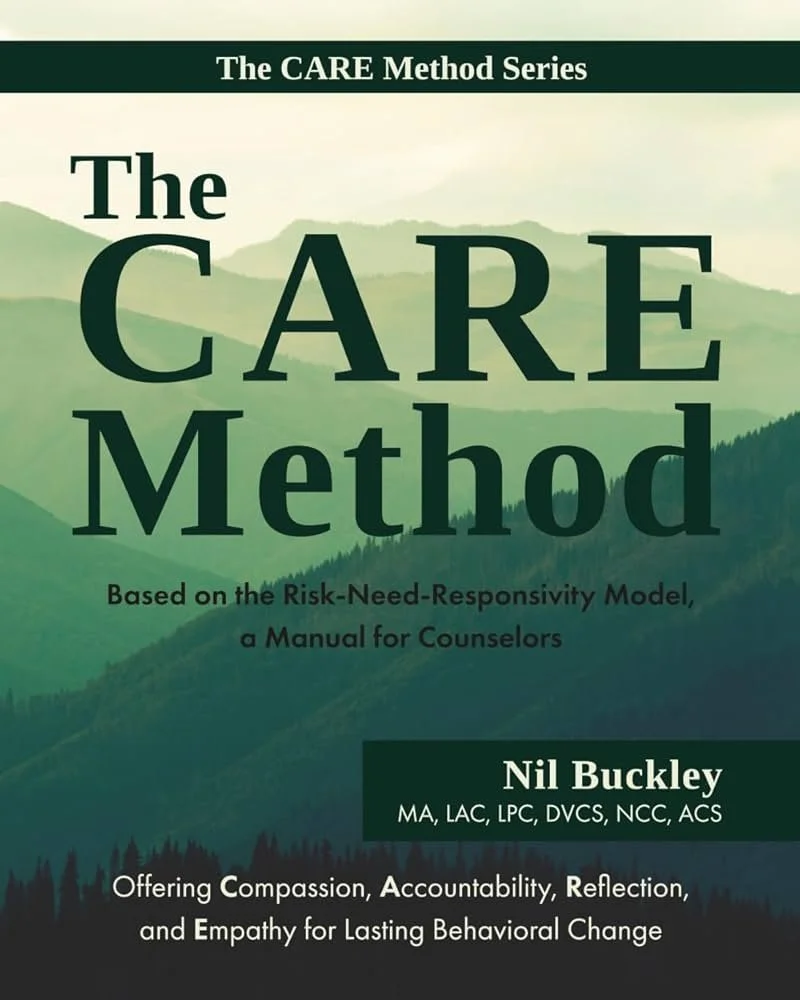
The CARE Method: Counselor's Manual for Male Clients
The CARE Method Counselor’s Manual gives treatment providers a comprehensive framework for facilitating individualized, evidence-informed domestic violence intervention with male clients. It includes clinical guidance, discussion prompts, therapeutic exercises, and strategies for connecting each chapter to the client’s assessed risks, needs, strengths, and responsivity factors. The manual helps counselors balance compassion with accountability while addressing trauma, substance use, mental health, cognitive distortions, relationship dynamics, parenting, and behavioral patterns without relying on shame as a method of change.
-
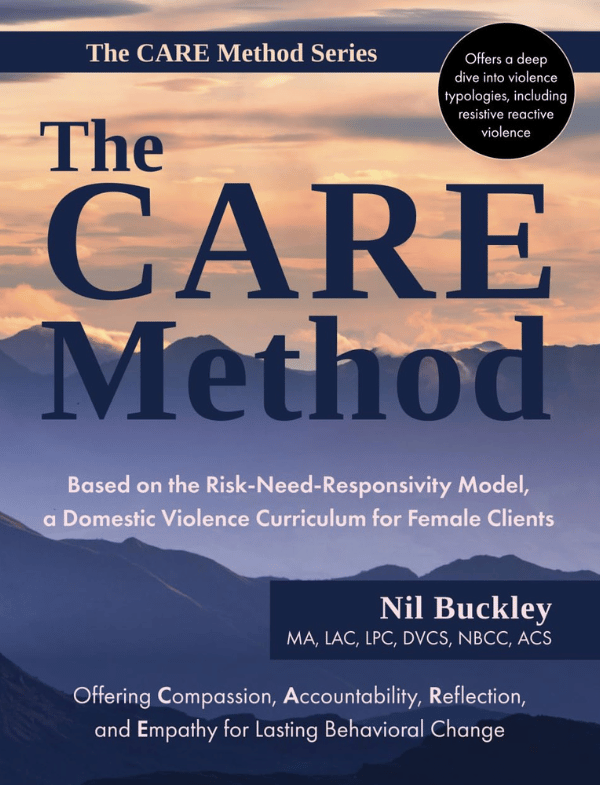
The CARE Method: Client Workbook for Female Clients
The CARE Method Client Workbook for Female Clients provides a gender-responsive and trauma-informed approach to domestic violence intervention. Research indicates that women who use violence are not a uniform population and frequently report histories of trauma, victimization, emotional distress, mental health concerns, substance use, self-protection, retaliation, or escalating relationship conflict. The workbook therefore encourages contextual analysis of what occurred before, during, and after harmful behavior, including its purpose, impact, and contributing circumstances. It helps women pursue accountability and healing while developing emotional regulation, boundaries, communication, self-awareness, and safer relationship skills.
-
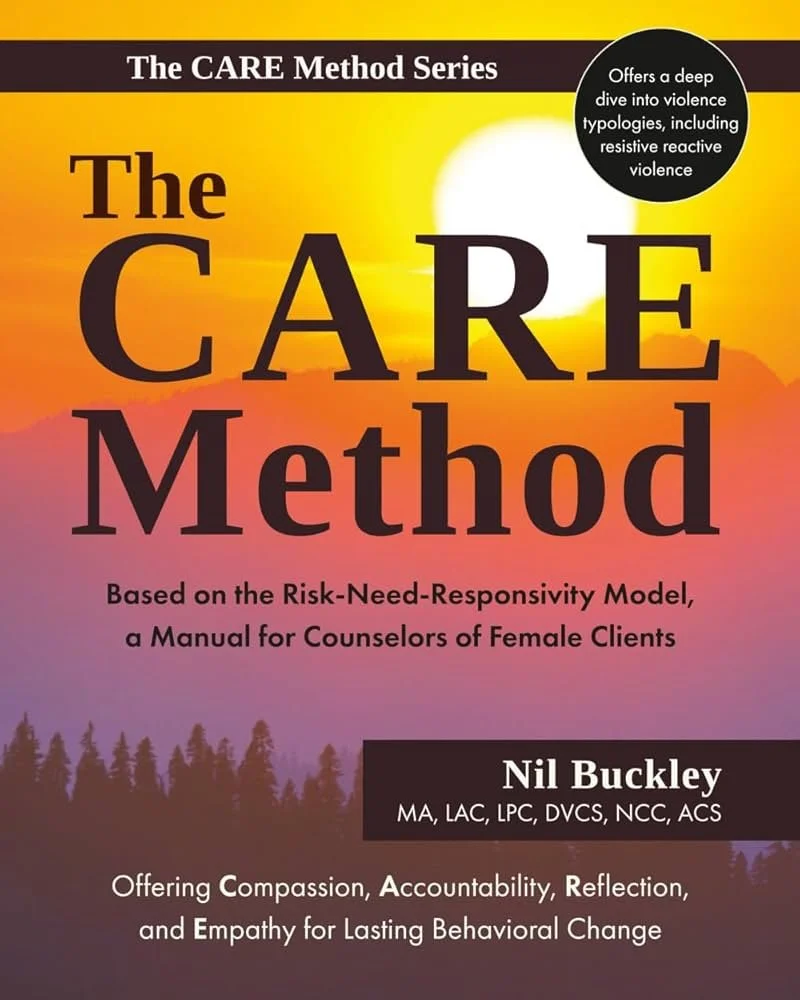
The CARE Method: Counselor's Manual for Female Clients
The CARE Method Counselor’s Manual for Female Clients guides professionals in providing individualized, gender-responsive, and trauma-informed domestic violence treatment. It helps counselors explore the broader context, function, pattern, and impact of harmful behavior while considering trauma, prior victimization, mental health, substance use, attachment, and relationship dynamics. The manual offers a framework for validating a woman’s experiences without minimizing the harm she may have caused. Through structured interventions and reflective clinical guidance, counselors can promote engagement, accountability, emotional regulation, healthier boundaries, and lasting behavioral change.
-
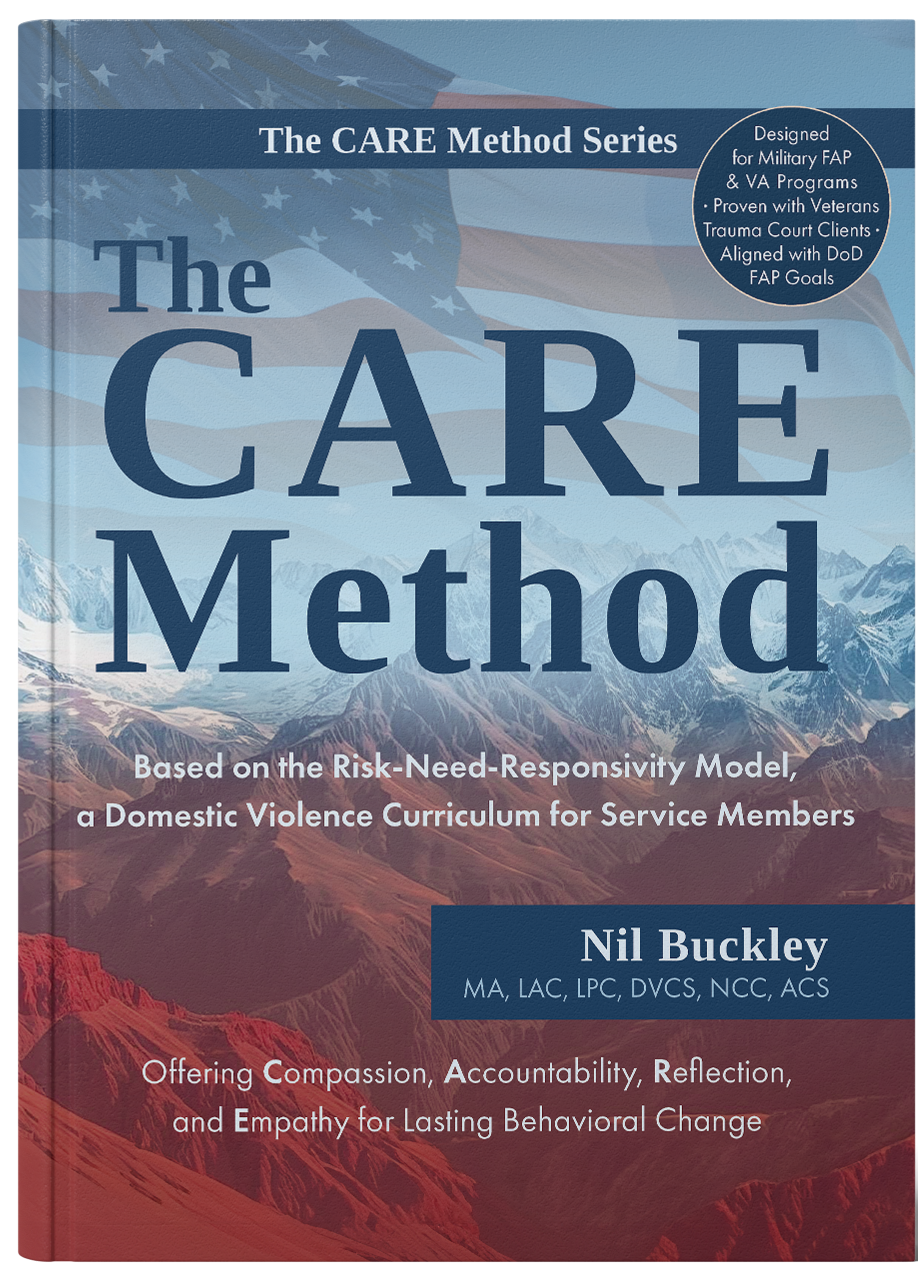
The CARE Method Military Series: Client Workbook
The CARE Method Military Series Client Workbook was created specifically for active-duty service members and veterans. It examines how military culture, combat and operational stress, trauma exposure, moral injury, grief, reintegration, substance use, hypervigilance, and major transitions may affect relationships and responses to conflict. These experiences are considered as important treatment context without being used to excuse harmful behavior. The workbook strengthens accountability, emotional regulation, communication, parenting, relationship safety, and healthier coping. The Military Series is currently being utilized by the U.S. Army at Fort Carson.
-
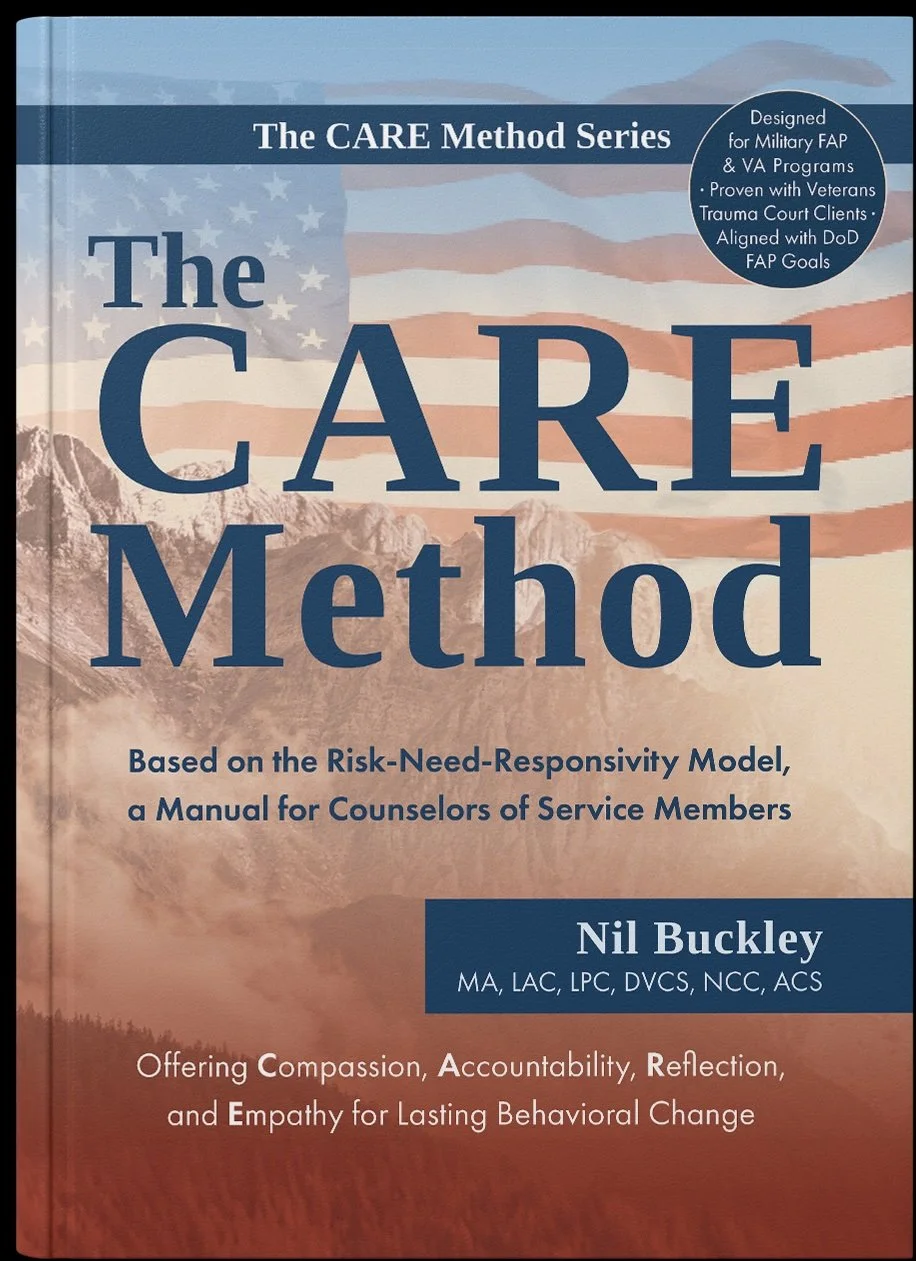
The CARE Method Military Series: Counselor’s Manual
The CARE Method Military Series Counselor’s Manual provides treatment professionals with a culturally responsive framework for working with active-duty service members and veterans. It helps counselors understand the influence of military identity, trauma, combat exposure, moral injury, reintegration, loss, substance use, and service-related stress while maintaining a clear focus on accountability and victim safety. The manual includes trauma-informed interventions, clinical discussion prompts, and practical strategies for helping clients connect their experiences to present behavior and develop safer relationship, parenting, communication, and emotional-regulation skills. It is currently being utilized by the U.S. Army at Fort Carson.
-
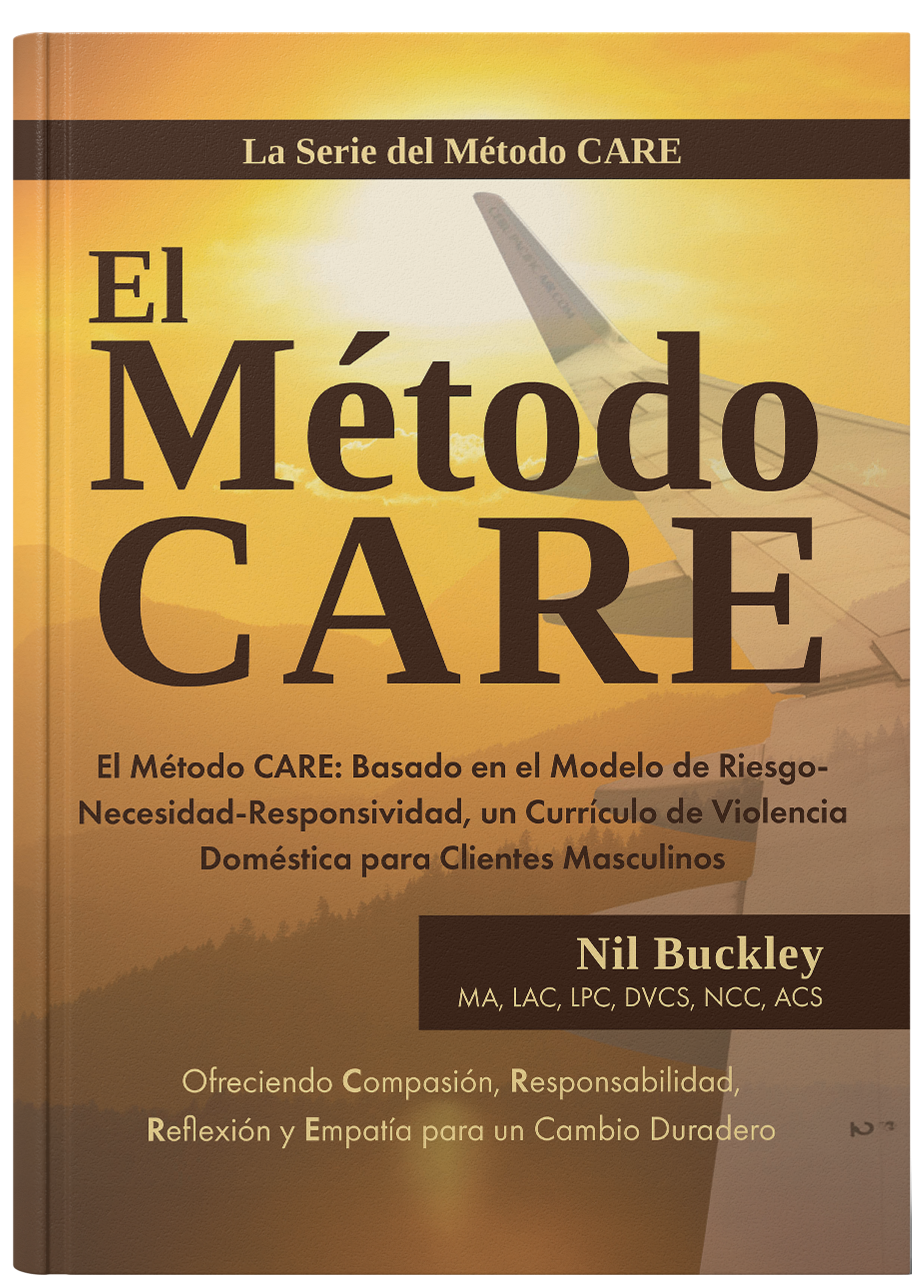
El Método CARE: Spanish-Language Client Workbook
El Método CARE is a culturally and linguistically responsive domestic violence curriculum developed for Spanish-speaking male clients. More than a direct translation, the workbook uses clear, accessible Spanish and explores experiences that may shape treatment engagement, including immigration, acculturation, language barriers, separation from family, economic pressure, changing gender and parenting roles, legal-system fears, and differences between cultural and U.S. expectations. It honors clients’ culture, values, sacrifices, and strengths while challenging beliefs or behaviors that contribute to harm. The curriculum promotes accountability, family safety, healthier communication, and long-lasting behavioral change.
-
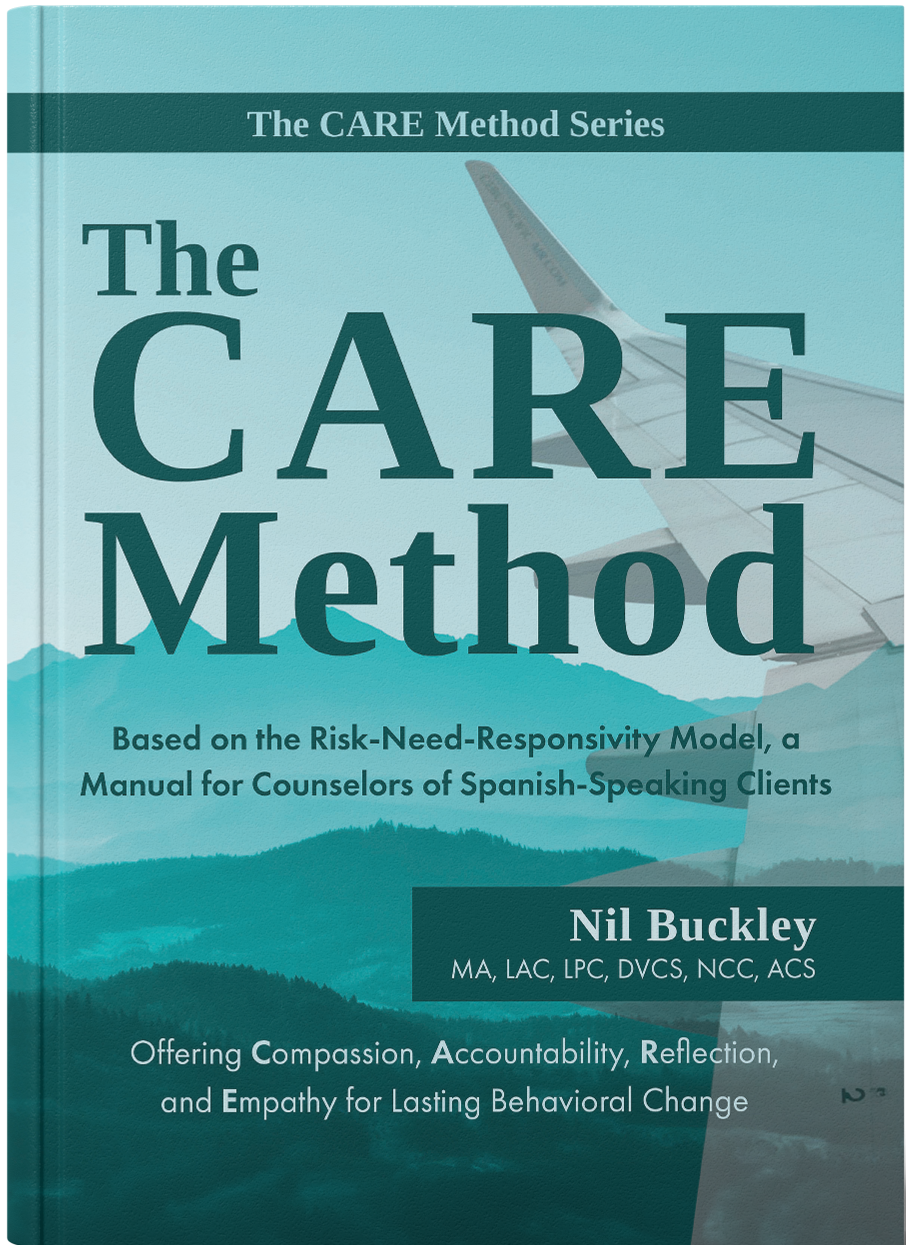
El Método CARE: Spanish-Language Counselor’s Manual
The Spanish-Language Counselor’s Manual equips providers to deliver The CARE Method in a culturally responsive, trauma-informed, and accessible manner. It helps counselors consider how immigration experiences, acculturation stress, language, cultural values, family roles, employment demands, legal-system concerns, and differing expectations about relationships and parenting may affect a client’s treatment needs and participation. The manual supports counselors in discussing these experiences respectfully without stereotyping clients or allowing culture and hardship to excuse abuse. It provides structured guidance for strengthening engagement, accountability, communication, emotional regulation, family safety, and meaningful behavioral change.
Upcoming Publishings
-

Counselor's Manual for LGBTQ+ Clients
Coming 2027
-
Curriculum for LGBTQ+ Clients
Coming 2027